Biographic28,973
Bibliographic93,167
Victim of Torture1,033
|
Record ID :
លេខឯកសារ :
|
L00049 |
|
Title of Doc/Book :
ចំណងជើងឯកសារ/សៀវភៅ :
|
To Uncle 89 To Report About Some Activities
គោរពជូនអ៊ំ៨៩ សុំរាយការណ៍ជូនពីសកម្មភាពមួយចំនួន
|
|
Language Language of Doc/Book :
ភាសាឯកសារ/សៀវភៅ :
|
Cam
ភាសាខ្មែរ
|
|
Country of Publication :
ទីតាំងបោះពុម្ពផ្សាយ :
|
Kh
|
|
Document Date
កាលបរិច្ឆេទឯកសារ
|
March 29, 1977
29 មីនា 1977
|
|
Location of Doc / Book
ទីកន្លែងរក្សាទុកឯកសារ
|
KH, DC-CAM, Document No. L00049
|
|
Edition
ការបោះពុម្ពផ្សាយឡើងវិញ
|
|
|
Publication Area Publisher/Date
ទីកន្លែងបោះពុម្ព/អ្នកបោះពុម្ព/ការបរិច្ឆេទ
|
|
|
Physical DescriptionNumber of pages
ភិនភាគឯកសារ/ចំនួនទំព័រឯកសារ
|
3 p.
3 ទំព័រ
|
|
Note Intellectual Responsibility Author of Doc/Book
កំណត់សម្គាល់ម្ចាស់កម្មសិទ្ធិ
|
Signed by Roeun
ចុះហត្ថលេខាដោយ រឿន
|
|
Note Copy In Hand Note on Physical Qualities:
កំណត់សម្គាល់ភិនភាគដើម
|
tx
|
|
Note Source Hand Source of Document
កំណត់សម្គាល់សកម្មភាព គ្រប់គ្រងឯកសារ
|
Ministry of Interior
ក្រសួងមហាផ្ទៃ
|
|
Content Note :
កំណត់សម្គាល់មាតិកា :
|
|
|
Collection
បណ្ដុំឯកសារ
|
MOI, top secret file
ក្រសួងមហាផ្ទៃ(ឯកសារសម្ងាត់)
|
|
DK Zone Codes Names DK Geographic Designation
កូដភូមិភាគកម្ពុជាប្រជាធិបតេយ្យ
|
North East, 108
ឦសាន, ១០៨
|
|
Date Place Of Finding Location and Time Doc.Received
កាលបរិច្ឆេទ/ ទីតាំងប្រមូលឯកសារ
|
Ministry of Interior, February 5, 1997
ក្រសួងមហាផ្ទៃ, ៥, កុម្ភៈ ឆ្នាំ១៩៩៧
|
|
Alleged Victim Names Cited
ជនរងគ្រោះ (ដោយសន្មត)
|
Nu, Chann
នូ, ចាន់
|
|
Perpetrator Alleged Perpetrator Names Cited
ជនដៃដល់(ដោយចោទប្រកាន់)
|
Roeun
រឿន
|
|
General Note
កំណត់សម្គាល់ទូទៅ
|
|
|
Summary/Abstract
កំណត់សម្គាល់សេចក្ដីសង្ខេប
|
This was a report of Reoun on enemy’s situation region 107. There was a shooting near phsan and Borkeo village. Hang was an armed person so he stold pig, destroyed crops. After that he was changed to be a leader of region farm. Louch usually liked separating people. A woman name Teil pushed youth women not to marry soldiers. They mostly were two headedsnake when they met the Angkar they spoke high of Angkar, but when they met people they disparaged Angkar. Cooperative 36, district 82, Thmar Sral Commune, there were 3 villages that people had been hungry since February 1977, and the cooperative was dissolved during harvesting time in December 1977. (It is reported by Sam). Region 101, on March 9, 1977 there were three people stole boat and rowed away. On March 18, 1977, there were two strangers. They were asked by people and ran away. On March 23, 1977, two people shined torch when they were asked they crawled and escaped. On March 1, 1977, father and son fled away. Region 104, At district 41, three people were found hiding 7 milk-can of rice and a milk can of salt. When they were caught, they told they stole them to eat. Border situation, yuon contacted region military frequently on the road 19, and enemy discreetly chopped down bamboos. On March 21, 1977 enemy’s plane flear 8Km into Canbodian border. Besides nothing was strange but to trace enemy’s nertwork in center.
នេះជាសេចកី្ដរាយការណ៍របស់ឈ្មោះ រឿន សី្ដពីសកម្មភាពខ្មាំង នៅតំបន់ ១០៧ មានបាញ់កាំភើ្លងនៅជិតភូមិផ្សាននិងបកែវ។ ឯឈ្មោះ ហាំង ជាបេក្ខជន មានកាំភើ្លងធ្វើសកម្មភាពលួចកាប់ ជ្រូកហូប បំផ្លាញផលដំណាំ បន្ទាប់មក ក៏ដកឈ្មោះនេះឱ្យទទួល ភារកិច្ចដឹកនាំកសិដ្ឋានតំបន់។ ឈ្មោះ លូច នេះច្រើននិយាយ បំបែកបំបាក់ពី ប្រជាជន។ ឈ្មោះនារី តីល បានបំផុសយុវនារីមិនឱ្យយកបី្ដជាកងទ័ពច្រើនជាមនុស្សឆ្អិនក្បាលស៊ីក្បាល ឆ្អិនកន្ទុយ ស៊ីកន្ទុយ។ ពេលជួបអង្គការនិយាយលើកជើង ជួបប្រជាជននិយាយ ផេ្សងបន្ដុះបង្អាប់អង្គការ។ នៅសហករណ៍ ៣៦ ស្រុក ៨២ ឃុំថ្មរស្រាលមាន ៣ភូមិ ប្រជាជនអត់បាយតាំងពីខែកុម្ភៈ ១៩៧៧ ហើយបានរំសាយ សហករណ៍ ពេលកំពង់ច្រូតខែធ្នូ ១៩៧៧ (ព័ត៌មាននេះបានមកពី សាំ)។ តំបន់ ១០១ នៅថ្ងៃ៩ មិនា ១៩៧៧ មានមនុស្ស៣នាក់រត់ លួចយកទូកប្រជាជនធំទៅបាត់។ ថ្ងៃទី១៨ មិនា ១៩៧៧ មានមនុស្ស ចំឡែក២នាក់ ពេលប្រជាជន សួរក៏រត់។ ថ្ងៃទី២៣ មិនា ១៩៧៧ មានមនុស្ស ២នាក់ដើរឆ្លុះពិល មើលក្រោម ពេលស្រែក សួរវាក្រាប ហើយរត់បាត់។ ថ្ងៃទី១ មិនា ១៩៧៧ មានប្រជាជន ២នាក់ «ពុកនិងកូន រត់បាត់ពីភូមិ។ តំបន់ ១០៤ នៅស្រុក ៤១ មានប្រជាជន ៣នាក់យកអង្ករ៧កំប៉ុង លាក់ទុកនិងអំបិល១កំប៉ុង ពេលរកឃើញសួរទៅឆ្លើយថាទុកដាំបាយ ហូប។ ចំពោះសភាពការណ៍នៅតាមព្រំដែន គឺមានយួនមកទាក់ទងញឹក ញាប់ជាមួយទ័ពតំបន់នៅឆ្លូង១៩ និងមានកេ្មងលួចចូលកាប់ឫស្សី។ ថ្ងៃទី២១ មិនា ១៩៧៧ មានយន្ដហោះខ្មាំង ហោះចូលដីពីព្រំដែន ចម្ងាយ ៨គីឡូម៉ែត្រ។ ក្រៅពីនេះពុំសូវមានសភាពការណ៍អី្វប្លែកទេ មានតែបាតុភាពលេចចេញពីមូលដ្ឋាន បញ្ហារាវរកបណ្ដាញខ្សែខ្មាំង។
|
|
Copyright: |
© DC-CAM |
|
រក្សាសិទ្ធិដោយ: |
© មជ្ឈមណ្ឌលឯកសារកម្ពុជា |
|
Refine your results
Database
Location
Date
1970 to 197515,216
1975 to 198022,831
1980 to 198511,450
1985 to 199012,168
1990 to 199510,122
1995 to 20001,255
2000 to 20104,840
Note that the written permission of the copyright owners and/or other rights holders (such as publicity and/or privacy rights) is required for distribution, reproduction, or other use of protected items beyond that allowed by fair use or other statutory exemptions. Responsibility for making an independent legal assessment of an item and securing any necessary permissions ultimately rests with persons desiring to use the item.
Credit Line: Documentation Center of Cambodia’s Archives.
“Documentation Center of Cambodia’s Archives”
This website was funded in part by a grant (Documentation and Democracy) from the United States Department of State. The opinions, findings and conclusions stated herein are those of the authors and do not necessarily reflect those of the United States Department of State and the United States Agency for International Development.
Concept by Ean Panharith and Youk Chhang
© 2023 Documentation Center of Cambodia
The Prevention and Punishment of the Crimes of Genocide
By Youk Chhang
The Convention on the Prevention and Punishment of the Crime of Genocide stands alongside the Universal Declaration of Human Rights as one of the key pillars of international human rights law, and for this Human Rights Day in 2022, I want to highlight the critical importance of the responsibility to prevent atrocity crimes, which includes genocide. When atrocity crimes occur, there is an immediate need to stop these atrocious acts, followed by the equally urgent tasks of documenting, investigating, and ultimately prosecuting the perpetrators. However, from 1948 to today, we have not given enough attention to true prevention.
Atrocity crimes do not occur in a vacuum. There is a long chain of events and conditions that precede atrocity crimes. Isolation, segregation, and discrimination frequently, if not always, precede the rationalization of atrocity crimes against a group of people. And before people are discriminated against, they must be dehumanized. The process of dehumanization depends upon rationalizing hatred and distrust, and these processes are precipitated by misinformation, fueled by uninformed biases, stereotypes, and exploitative actors. They are also frequently dependent upon the disintegration, corruption, or lack of development of critical institutions, in particular institutions dedicated to dialogue and education. It is here that we must dedicate our greatest attention.
Since 1948, we have made great strides toward taking actions that interrupt, mitigate, and to a very limited extent, punish the chief perpetrators of atrocity crimes; however, these actions are not preventative but reactive in nature. No atrocities crime trial has ever prevented the next genocide, and no sanctions or punishment can bring back the dead or undo the trauma that extends across multiple generations. Indeed, the trauma of atrocity crimes in the distant past are often the forgotten seeds for the next wave of violence and inhumanity of the future.
If we are to truly adopt strategies that are effective, far reaching, and decisive in preventing atrocity crimes, then our priorities must be re-oriented to the opposite end of the spectrum, where the seeds of the next genocide are cultivated. Our responsibility in complying with foundational human rights documents should be measured not solely by our success at responding, investigating, and prosecuting atrocity crimes, but by our efforts in supporting institutions, initiatives, and actions that have a positive influence in preventing all forms of inhumanity. The most effective strategy at preventing the next genocide is centered on actions and policies that interrupt and reduce the risk of escalation at the earliest stages of inhumanity.
Cambodia recently removed human rights days from public calendars. I think we should reconsider this collective decision. Cambodia has achieved extraordinary success in its genocide education programme, which is the essence of atrocity crimes prevention. And so, to capitalize on this success and Cambodia’s regional and even global leadership in this area, we should hold an annual dialogue on the Convention on the Prevention and Punishment of the Crime of Genocide. As the Extraordinary Chambers in the Courts of Cambodia (ECCC) closes its doors, there is no better time than now to preserve Cambodia’s leadership and momentum in realizing the core objectives of the Convention on the Prevention and Punishment of the Crime of Genocide.
The Documentation Center of Cambodia (DC-Cam) is proud of the support it has given to the ECCC’s work, which was fundamental to giving victims an opportunity to participate in the justice process and realize some sense of closure from the Khmer Rouge genocide. DC-Cam is also eager to support an annual conference on the Convention on the Prevention and Punishment of the Crime of Genocide. As we commemorate this Human Rights Day, we would be mindful to recognize our fundamental human rights documents are not only universal commitments, but also standards for evaluating the kind of world we are leaving for the next generation.
—————
Youk Chhang is Executive Director of the Documentation Center of Cambodia. The Center dedicating to Justice, Memory, and Healing for survivors of the Khmer Rouge genocide.
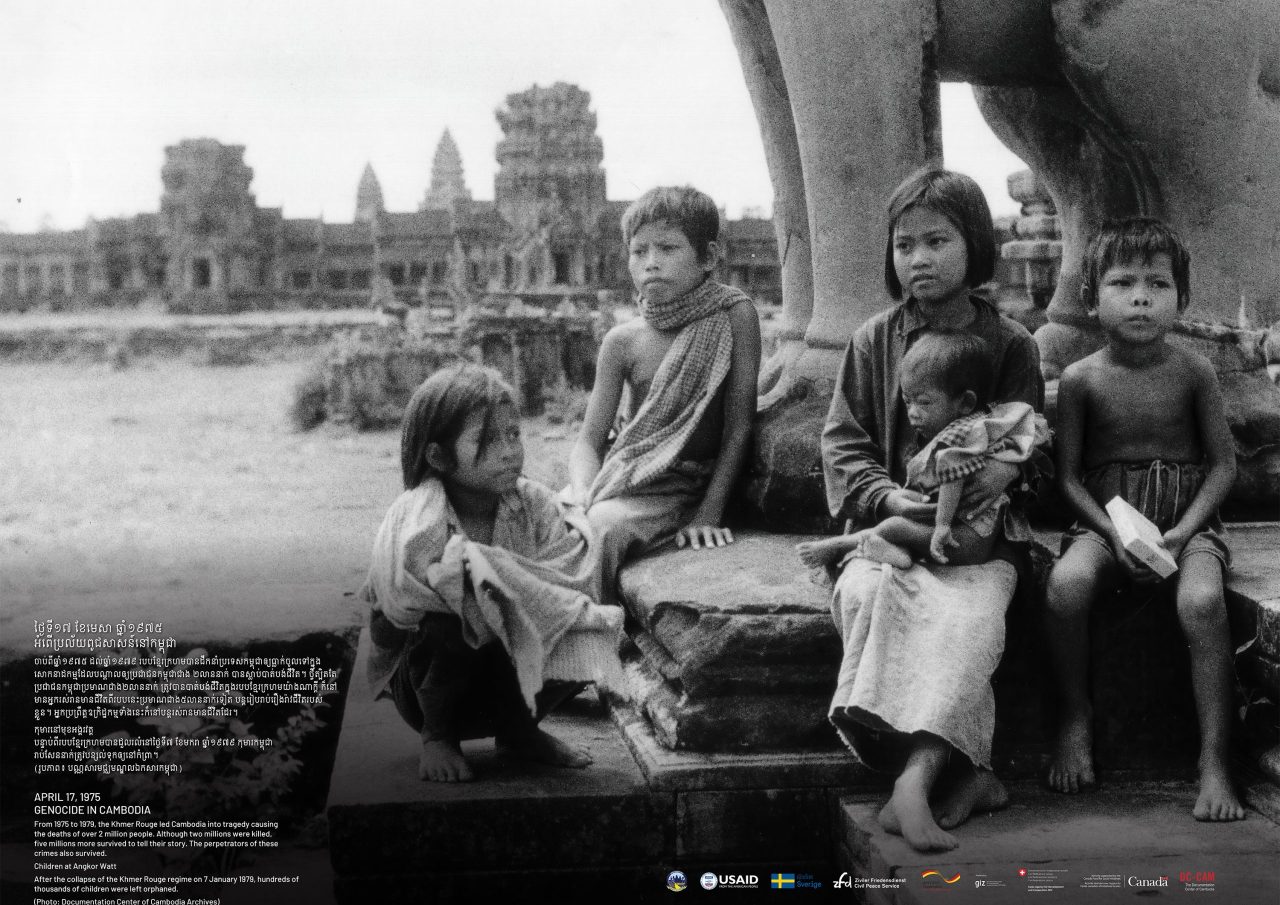
Photo above: Children at Angkor Wat, 1979. After the collapse of the Khmer Rouge regime on 7 January 1979, hundreds of thousands of children were left orphaned. From 1975 to 1979, the Khmer Rouge led Cambodia into tragedy causing the deaths of over 2 million people. Although two millions were killed, five millions more survived to tell their story. The perpetrators of these crimes also survived. Photo: Documentation Center of Cambodia Archives.
Mansion 11, Street 256
Sangkat Chakto Mukh, Khan Daun Penh
Phnom Penh, 120207, CAMBODIA
t: +855 (0) 92 234 707
e: truthpheana.s@databases.dccam.org
e: dccam@online.com.kh
If you have problem to access, please contact:
Morm Sophat, IT Coordinator
t: +855 (0) 11/16 27 27 22
e: truthsophat.m@databases.dccam.org